I help small businesses get clearer, more findable, and easier to follow up with.
Not louder. Not fancier. Just easier to understand and act on.
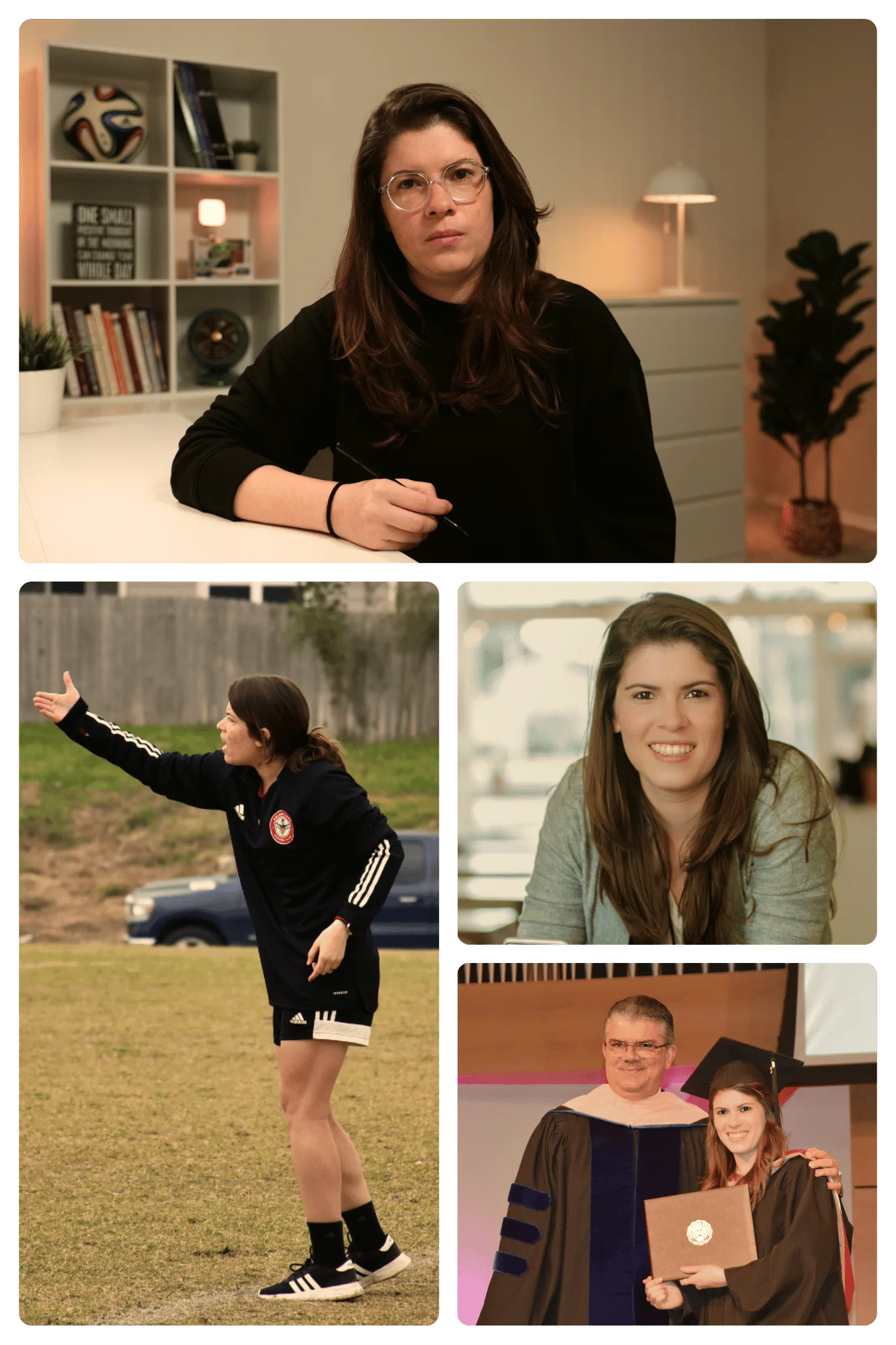
I have always liked structure. Not the stiff kind. The useful kind. The kind that lets people know where the work is, what happens next, and who owns the next step.
I think about websites and lead paths the way I think about a soccer field. There are roles, lanes, passes, timing, and rhythm. When every page knows its job and every inquiry has a next step, the whole thing moves better. When they do not, everyone chases the ball and gets tired.
That is what I saw when I started working more closely with small businesses. The owners were smart. The businesses were real. The problem was not effort. It was that too much of the offer, proof, and follow-up lived in one person's head.
Leads came in, but the follow-up depended on memory. Service explanations existed, but not on the page where a buyer or AI search system could understand them. Content ideas stayed in notes, calls, or half-finished drafts. A CRM might have been there, but it was not the source of truth. It was one more thing to update when someone had time.
That is the part I care about. The middle. The handoff. The tiny step that gets skipped because everyone is busy. The admin task that became normal even though, honestly, it should have been fixed months ago.
AI can help with a lot of this, but only when it is sitting inside the real work. A prompt by itself does not fix service-page clarity. A chatbot does not fix a dropped lead. A new app does not fix an offer nobody has explained.
So I start by listening. I want to know what happens today, where the wheels come off, what tools you already use, what your team will actually touch, what AI search needs to understand, and what should still stay human. Then I build around that.
I also like knowing what people will avoid. A workflow can look perfect on paper and still fail because nobody wants to open another tab, update another field, or read another long instruction doc. That matters. The best system is the one people will actually use on a busy Tuesday.
Sometimes the right answer is simple: a clearer service page, a better form, a cleaner CRM flow, or a follow-up draft that waits for approval. Sometimes it is bigger: a content engine, an AI-search content plan, a 40-page website system, or a workflow that connects a few tools that were never talking to each other.
Either way, I am not trying to make your business look more technical. I am trying to make Tuesday afternoon easier.
You work with me, not a mystery team.
I write the code. I map the page and lead path. I explain what changed. You are not passed from a salesperson to a mystery builder.
I use existing tools when they are the right fit, and custom work when the business needs something more specific.
I would rather ship one useful page, lead path, or workflow than spend weeks making a giant AI plan that nobody uses.
The clients who tend to fit best are not trying to become AI experts. They are trying to run a better business without adding a bigger team. They want services explained clearly, leads answered faster, content to stop starting from zero, and follow-up to stop eating the week.
Some people hire me for a one-time build. We pick the page, content system, or lead workflow, build it, test it, and walk through it together. Other clients keep me around monthly so there is someone improving the next piece and helping the business use AI without turning every decision into a research project.
WhiteBoston is still the LLC name. This site is more personal because the work is personal. If you hire me, you are working with me. I am the person asking the questions, building the thing, and helping you understand what changed.
My goal is not to make AI sound impressive. My goal is for someone to understand what you do faster, find the right next step sooner, and become a lead you can actually follow up with.
Your best answers should be easier to find. And easier to act on.
If I can help, I will tell you whether I would start with AI search visibility, service pages, lead capture, or follow-up. If I cannot, I will say that too.
Apply to work with me →